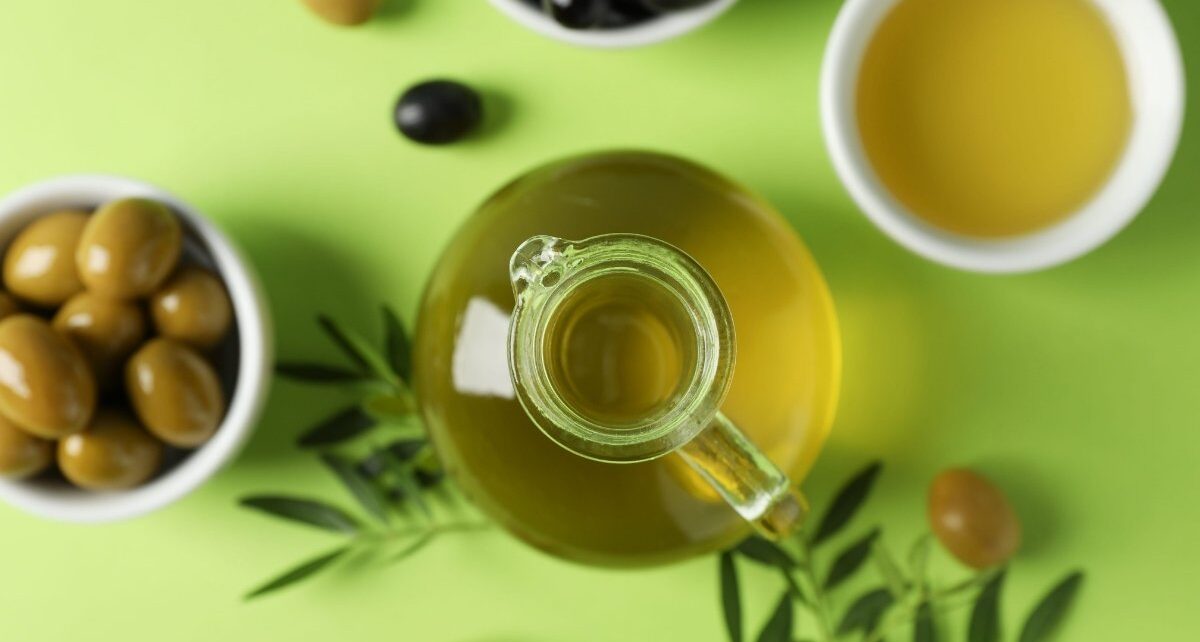
Olive oil takes up very little space in a pan, while its calorie contribution can be substantial.
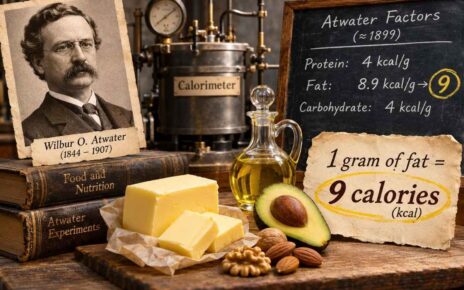
A tablespoon of olive oil weighs about 13.5 grams and provides roughly 119 calories, according to USDA food-composition data. That gives us a useful reference point for calories in olive oil, as long as we know how much oil actually went into the food. FDA guidance also defines a tablespoon as 15 mL for nutrition-labeling purposes. FDA household measures provide the standardized volume used on labels.
We find a kitchen scale particularly useful for exactly that reason. A pour that someone might describe as “a little oil” can weigh noticeably more than a tablespoon. The difference is easy to overlook until the amount is measured.
When a Recipe Says “a Drizzle”
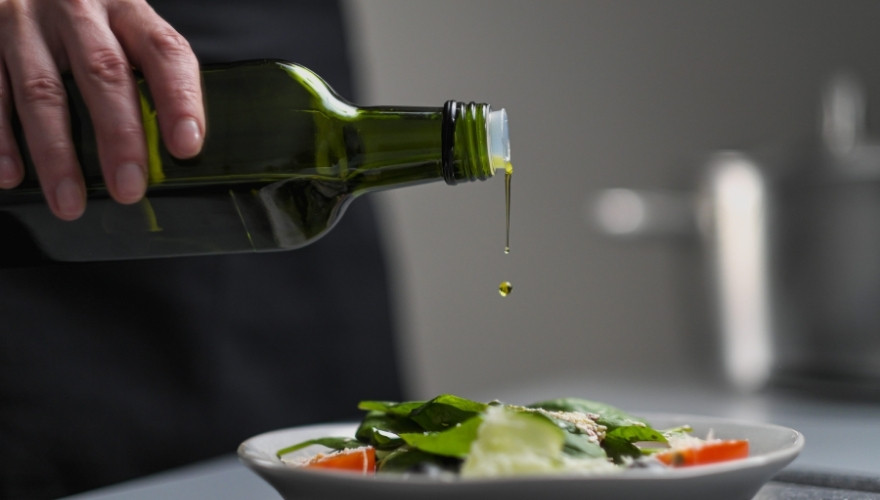
A standard tablespoon holds about 15 mL of olive oil, while a teaspoon holds 5 mL under FDA household-measure rules. Once the bottle goes directly over the pan, there is no predetermined serving. The bottle opening, its angle, and the length of the pour all affect how much oil ends up in the food.
That is where calories in olive oil can be underestimated even when the nutrition value itself is accurate.
The phrase “a drizzle” is not very useful when calculating a recipe. Two cooks can read the same instruction and use noticeably different amounts, and the same person may pour a different amount the next time the recipe is made.
If a recipe needs to be repeatable, grams provide information that phrases such as “a drizzle” or “a splash” cannot.
What the Bottle Shows Once It Reaches the Scale
In nutrition specifications, translating household measures into grams helps produce results that can be reproduced.
With olive oil, weighing the whole bottle works well. We recommend weighing it before pouring, adding the oil to the pan, then weighing the bottle again. The difference is the amount that went into the recipe.
That method also avoids carrying a full measuring spoon over a hot stove or estimating how much oil remained on the spoon. For a salad, use the opposite setup: place the bowl on the scale, tare it, then pour the oil directly over the ingredients.
For calories in olive oil, a measured weight gives a repeatable value without relying on how the amount looks in the bowl or pan. USDA FoodData Central uses gram weights to calculate nutrient amounts for food portions, which is the same basic reason this approach works well in a home kitchen.
“Light” Olive Oil Is Still Olive Oil
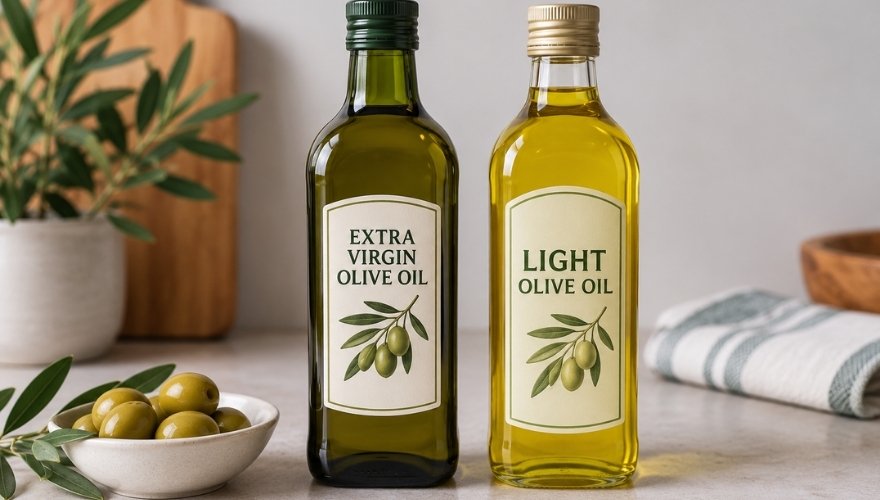
The word “light” on an olive oil bottle generally refers to a milder flavor profile associated with refined olive oil blends. It does not mean the same serving contains substantially fewer calories.
USDA standards distinguish extra virgin, virgin, refined, and blended olive oils according to processing and quality characteristics rather than creating a reduced-calorie olive-oil category. USDA olive oil standards describe those grades and their requirements.
Extra virgin and refined olive oils are still composed overwhelmingly of fat, so calories in olive oil remain very similar when equal amounts are compared.
That also follows the basic energy value of fat. Olive oil contains very little water or protein to dilute its energy density, which is why changing the grade or flavor intensity does not create a meaningful calorie reduction.
When we see “light” on the front of a bottle, we look at the Nutrition Facts panel rather than using the marketing term as a calorie estimate.
Dr. Eric Berg clearly explains the difference between virgin and extra virgin olive oil in his video.
What Else Matters?
With a recipe, knowing how much oil went into the pan is only part of the calculation. You also need to know how many servings share that amount.
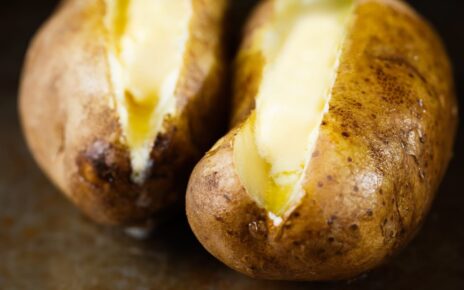
The same principle applies when calculating calories in a baked potato with toppings, since butter and sour cream can significantly increase the total.
Oil added to a dish for several people is distributed across the recipe. The distribution may not be perfectly even, and some oil can remain on the pan or mixing bowl after the food is served.
Trying to convert every thin residue into an exact calorie value would create more precision than a normal home calculation can support. For a practical recipe calculation, we use the amount of oil that went in and divide it by the number of servings.
That keeps calories in olive oil tied to something measurable: the quantity added to the food, rather than an estimate based on the appearance of the pour.