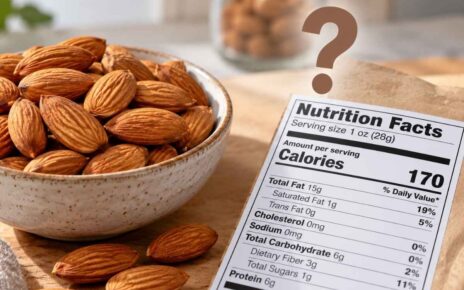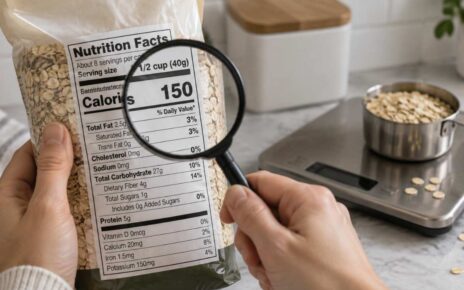
A large plate of vegetables can look substantial without supplying many calories. A second source of confusion appears when nutrition databases list different calorie values for the same vegetable in raw and cooked form.
The explanation often starts with water: cooking changes the weight and concentration of the food, even when heat has not added energy.
We can see the difference by comparing equal weights of raw and cooked vegetables in food-composition data.
- Heat treatment itself does not add calories to vegetables.
- Water can change the weight of food and the number of calories we see per 100 grams.
- Vegetables cooked in water can sometimes have fewer calories per 100 grams because they contain more water.
- Roasted vegetables can have more calories per 100 grams because they lose some moisture during preparation.
- Oil changes the total calorie value because it actually adds new energy.
- Cooking can also change the amount of energy the body can extract from certain foods.
One Hundred Grams Before and After Cooking Are Not the Same Thing
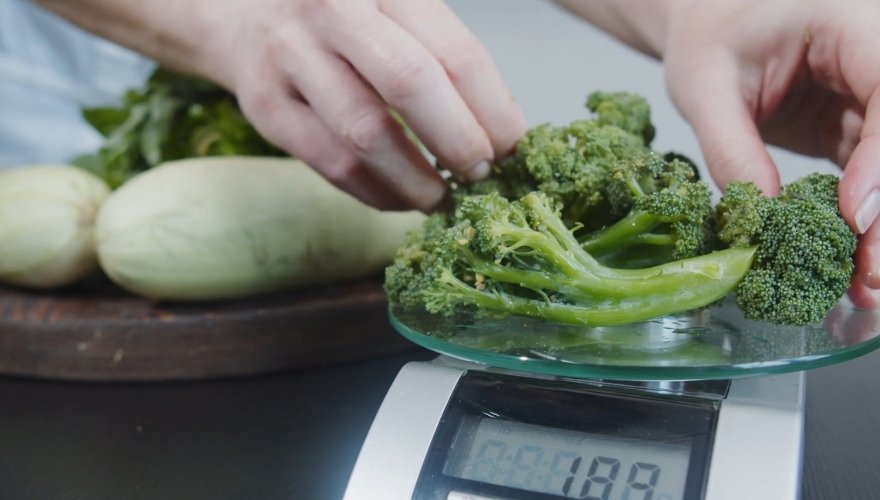
Most confusion starts when 100 grams of raw food is compared with 100 grams of the same food after cooking.
Take carrots. According to data from the USDA FoodData Central database, 100 grams of raw carrots contain about 41 kcal. Cooked and drained carrots contain approximately 35 kcal per 100 grams.
At first, the lower number may seem counterintuitive: the carrots have been heated, yet the value per 100 grams has fallen. The explanation becomes clearer once we look at water.
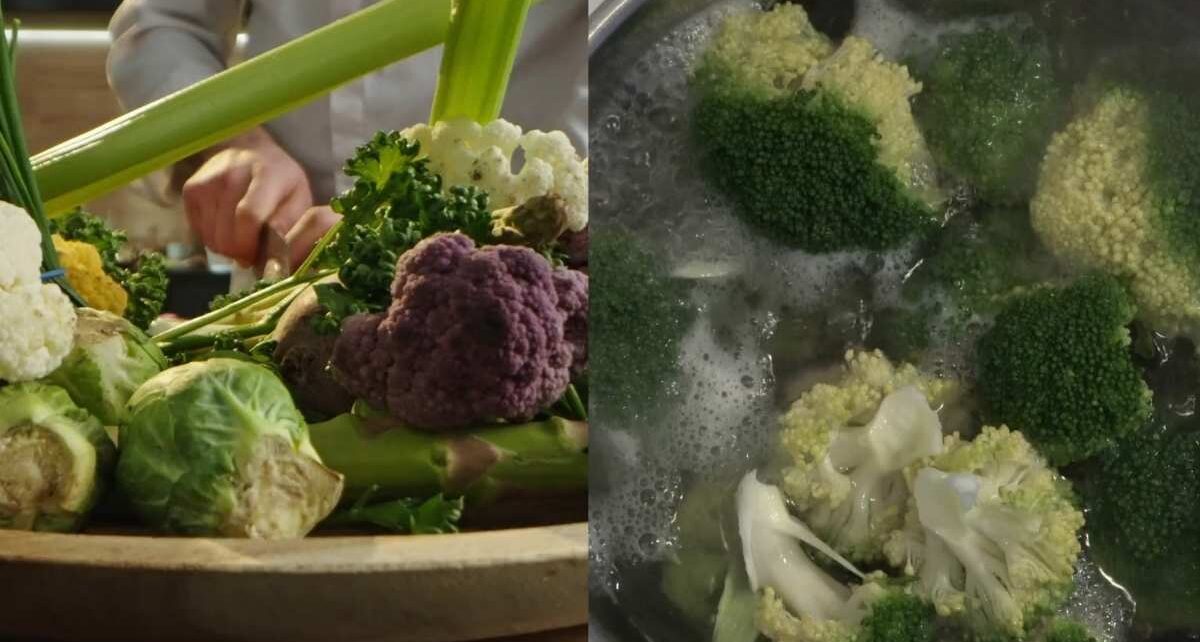
Raw carrots, broccoli, and celery contain a high amount of water per 100 grams, while cooking can change their water content. If the same 100 grams contains more water, less space remains for the other components that provide energy.
Cooking Changes More Than Weight Alone
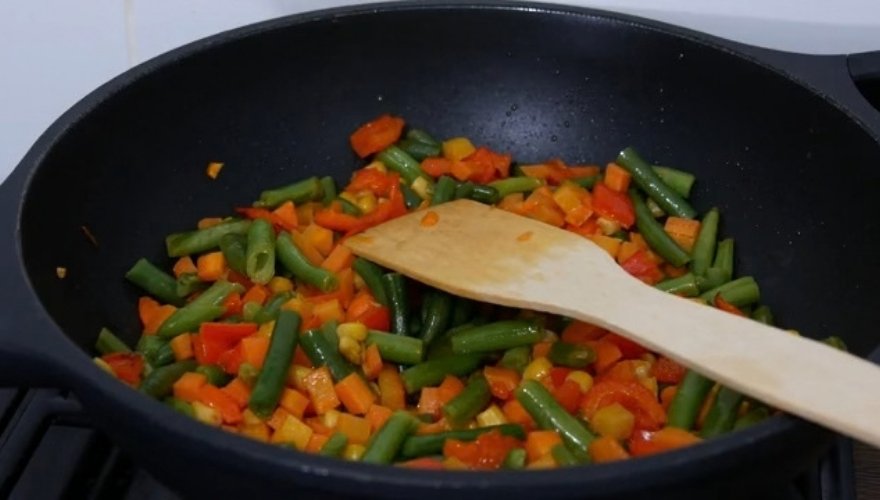
The story does not end with water because heat treatment also changes the structure of food itself.
Heat can soften plant cells and change starch so digestive enzymes can reach it more easily. As a result, the amount of energy the body can use from food is not always exactly the same in raw and prepared form.
Professor Richard Wrangham of Harvard spent years studying the relationship between cooking and available energy. In a PBS discussion about why cooking changes the energy value of food, he explained that cooked food can provide more available energy than the same food in its raw state.
It is important to interpret such a claim correctly.
For everyday comparisons of vegetables, start with water content and portion weight. Changes in digestibility are real, but they do not explain every difference between two entries in an app or nutrition database.
What About Oil?
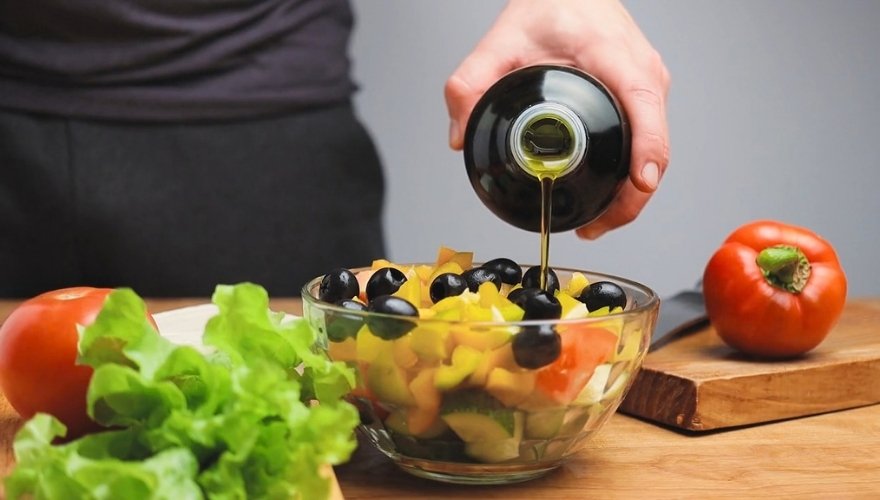
Here we come to the part that most often makes a major difference at home.
If you roast vegetables without added fat, water loss can increase the number of calories per 100 grams, but the total amount of energy you started with will not suddenly become much higher because of that.
Add oil and the situation changes.
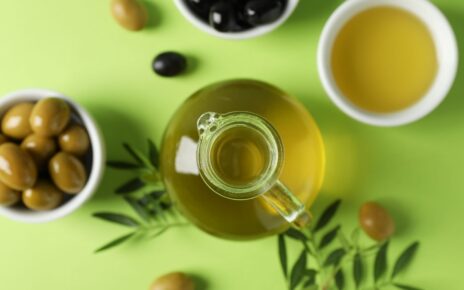
Twenty grams of olive oil contain approximately 177 kcal. If you added that amount of oil to vegetables that contain 120 kcal in total, we are no longer talking about a change caused by water. You added a new source of energy, and the whole dish now contains around 297 kcal, assuming all the oil remained in the meal.
The next video offers a practical example of how quickly a few tablespoons of oil can change a recipe’s calorie total.
Where Does the Confusion Usually Come From?
You weigh cooked broccoli after preparation, compare it with the value for the raw food, and then wonder where the calories disappeared or where they came from.
Several other situations can easily create the same confusion:
- raw and cooked weights are compared without checking how much the water content changed
- oil is left out of the total calculation even though it ended up in the dish
- data for boiled vegetables is used for oven-roasted vegetables
- values per 100 grams are compared without checking how much food remains after preparation
- two different database entries immediately appear as if one of them must be wrong
Tip: For simple recipes, weigh the ingredients before preparation and add up their total calories. After cooking, weigh the final dish to estimate the energy in the portion you serve.
There is no need to guess exactly how much water the broccoli lost or the carrots absorbed. The important part is to use nutrient data that describe the same form of the food you weighed.
Does That Make Raw Vegetables “Better”?
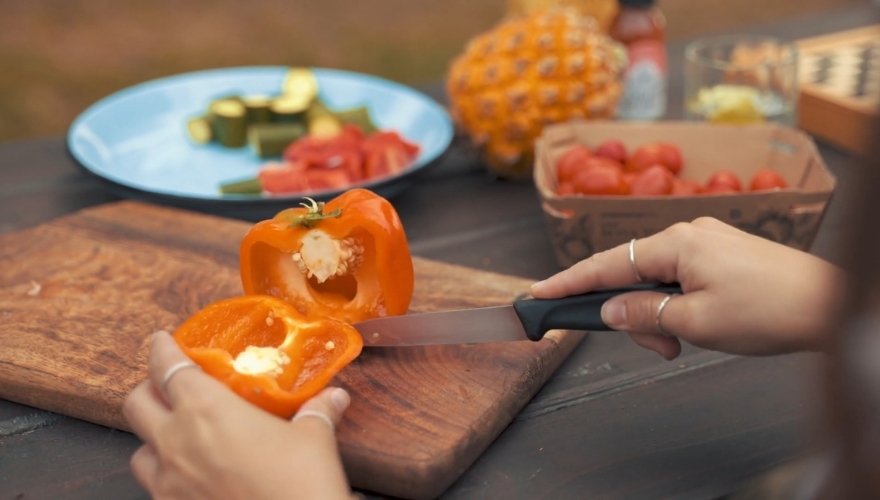
No. A change in calories per 100 grams does not make one preparation method universally better.
A difference of a few calories per 100 grams often matters far less than the amount you eat and the ingredients you add during preparation.
Conclusion
A large portion of vegetables does not automatically mean a high-calorie meal.
For a reliable comparison, check the preparation method, match it to the correct food entry, and use the actual portion weight. Count added oil separately.
The plate may still look enormous. The calories can remain surprisingly modest.