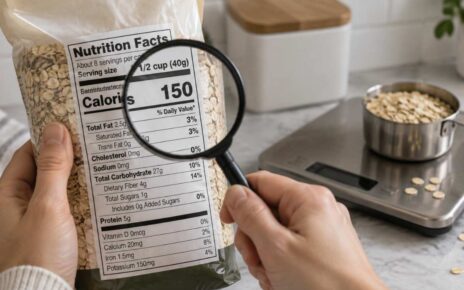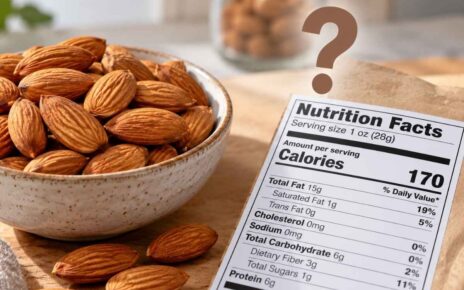
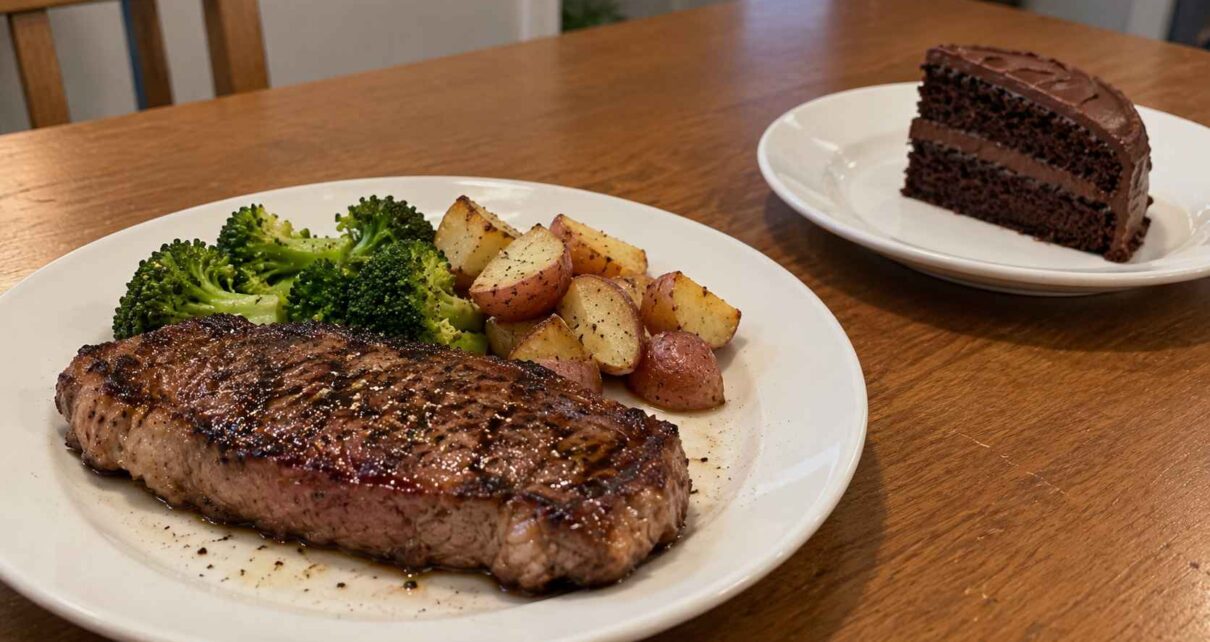
Put 200 calories of steak beside 200 calories of sugar and an obvious question follows: do they deliver the same energy, and does the body respond to them in the same way?
Is a calorie from steak the same as a calorie from sugar? Yes, when it comes to energy. However, the body processes proteins from meat and carbohydrates from sugar differently. The amount of energy used during digestion and the feeling of fullness after a meal also differ.
We compared food-composition data with research on digestion and fullness. The important distinction is between an equal amount of energy and the different effects of the foods that supply it.
- One calorie represents the same amount of energy regardless of the food it comes from.
- Proteins require more energy to process than carbohydrates.
- Steak generally provides a longer feeling of fullness than the same amount of energy from sugar alone.
- Steak contains high-quality protein and vitamin B12, while white sugar provides almost exclusively carbohydrates.
- Total calorie intake is important for body weight, but the nutritional composition of food also affects health.
How Many Calories Are in Steak and Sugar?
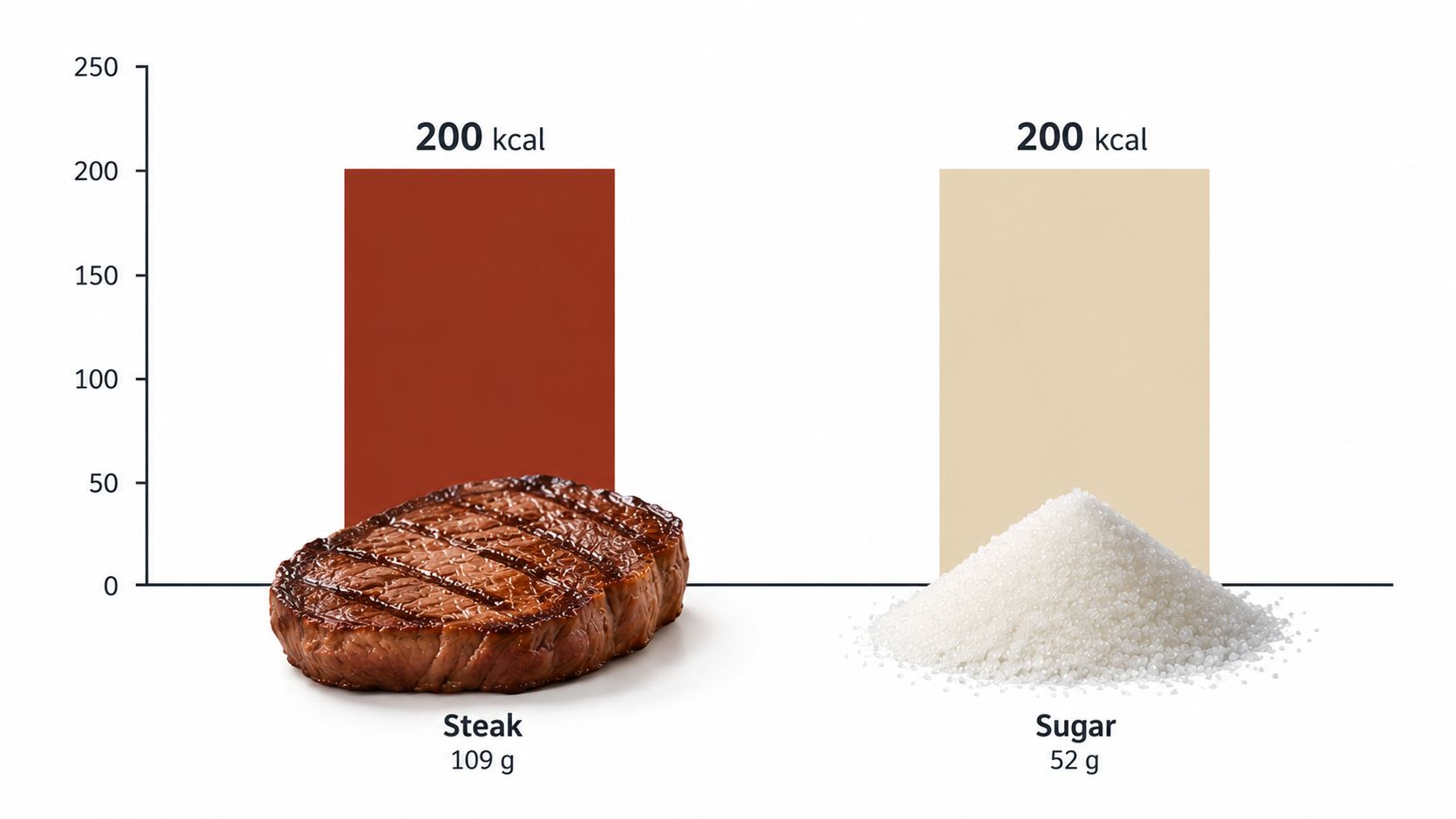
Data from USDA FoodData Central, 100 grams of relatively lean cooked steak can contain approximately 183 calories and around 30.6 grams of protein. White granulated sugar contains approximately 387 calories per 100 grams.
Therefore, 109 grams of steak of that type and around 52 grams of sugar have almost the same energy value of 200 calories.
However, if you look at what the body gets from each portion, the differences become much greater.
| Nutritional Value | Steak, 109 g | White Sugar, 52 g |
| Calories | 200 kcal | 200 kcal |
| Protein | 33.4 g | 0 g |
| Fat | 6.3 g | 0 g |
| Carbohydrates | 0 g | 52 g |
| Vitamin B12 | Present | Virtually absent |
Why Will You Usually Feel Full Longer After Eating Steak?
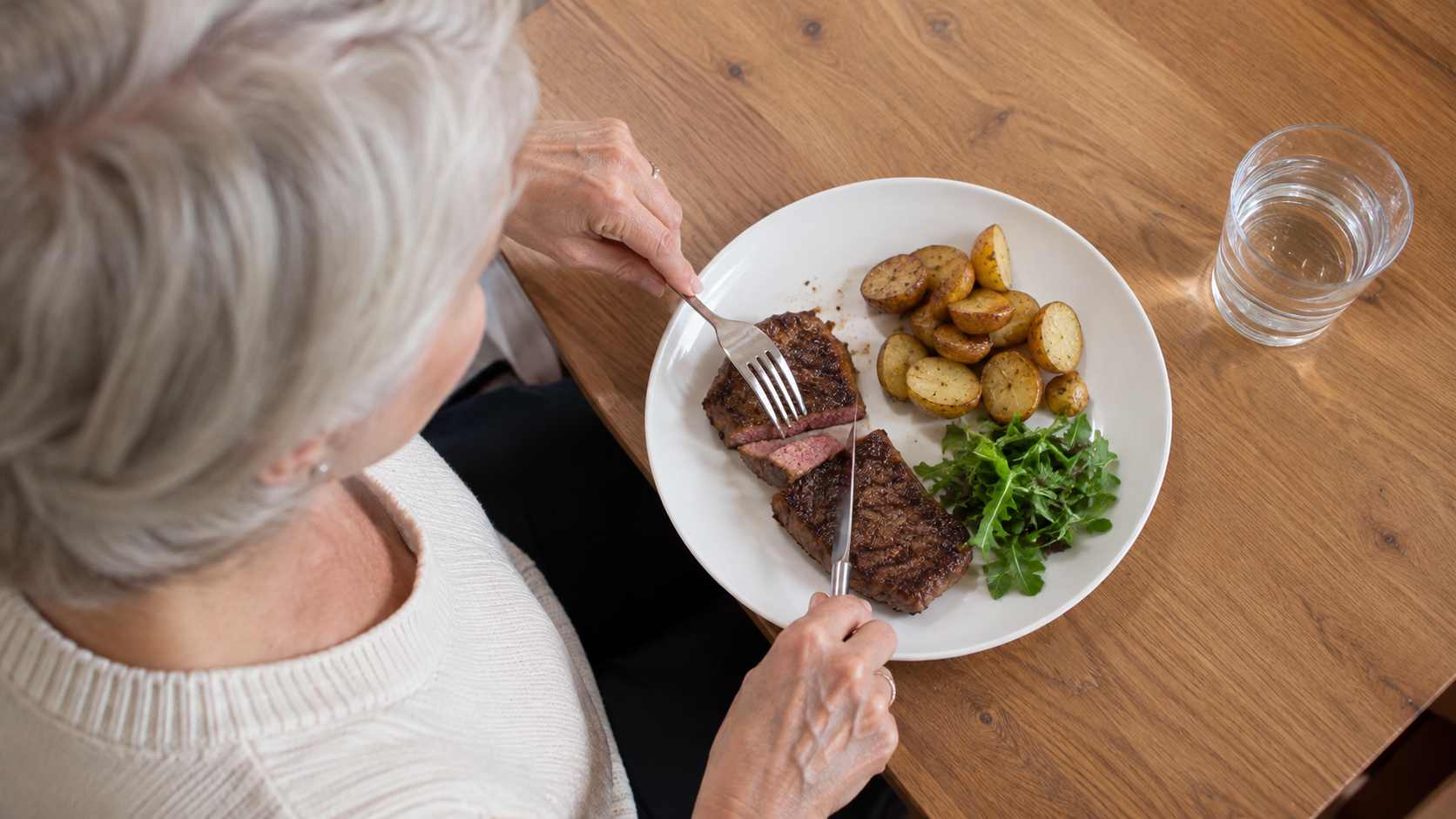
A substantial portion of steak and a serving of sugar with the same calorie value can lead to different feelings of fullness. That difference deserves evidence rather than a personal anecdote.
Protein generally increases the feeling of fullness. Its presence in a meal can reduce hunger over the following hours.
A systematic review published in 2020 included 49 publications on the effects of protein on appetite. The results showed that meals higher in protein can increase short-term satiety.
However, that does not mean every person will automatically eat fewer calories for the rest of the day after having steak. The composition of the entire meal is also important.
Steak and Sugar Affect Blood Glucose Levels Differently
During digestion, sugar is broken down into glucose and fructose. Glucose enters the bloodstream and stimulates insulin secretion. The rate at which blood sugar rises also depends on the rest of the meal.
Steak contains almost no carbohydrates, so it usually does not cause a large increase in blood glucose on its own. However, protein can also stimulate insulin secretion. Another difference is important. Steak provides essential amino acids and vitamin B12, while white sugar contains virtually no other nutrients.
What Are the Hidden Pitfalls When Comparing Calories?
A comparison can go wrong before the arithmetic even starts. Check the form of the food and any added ingredients before comparing calorie totals.
- Comparing raw and cooked meat: Steak loses water during cooking, so the same weight of cooked meat usually contains more calories.
- Ignoring added ingredients: One tablespoon of oil can add approximately 120 calories to a meal.
- Assuming sugar automatically causes weight gain: Total calorie intake is decisive, but the composition of food also affects appetite.
How Much Energy Does Digestion Use?
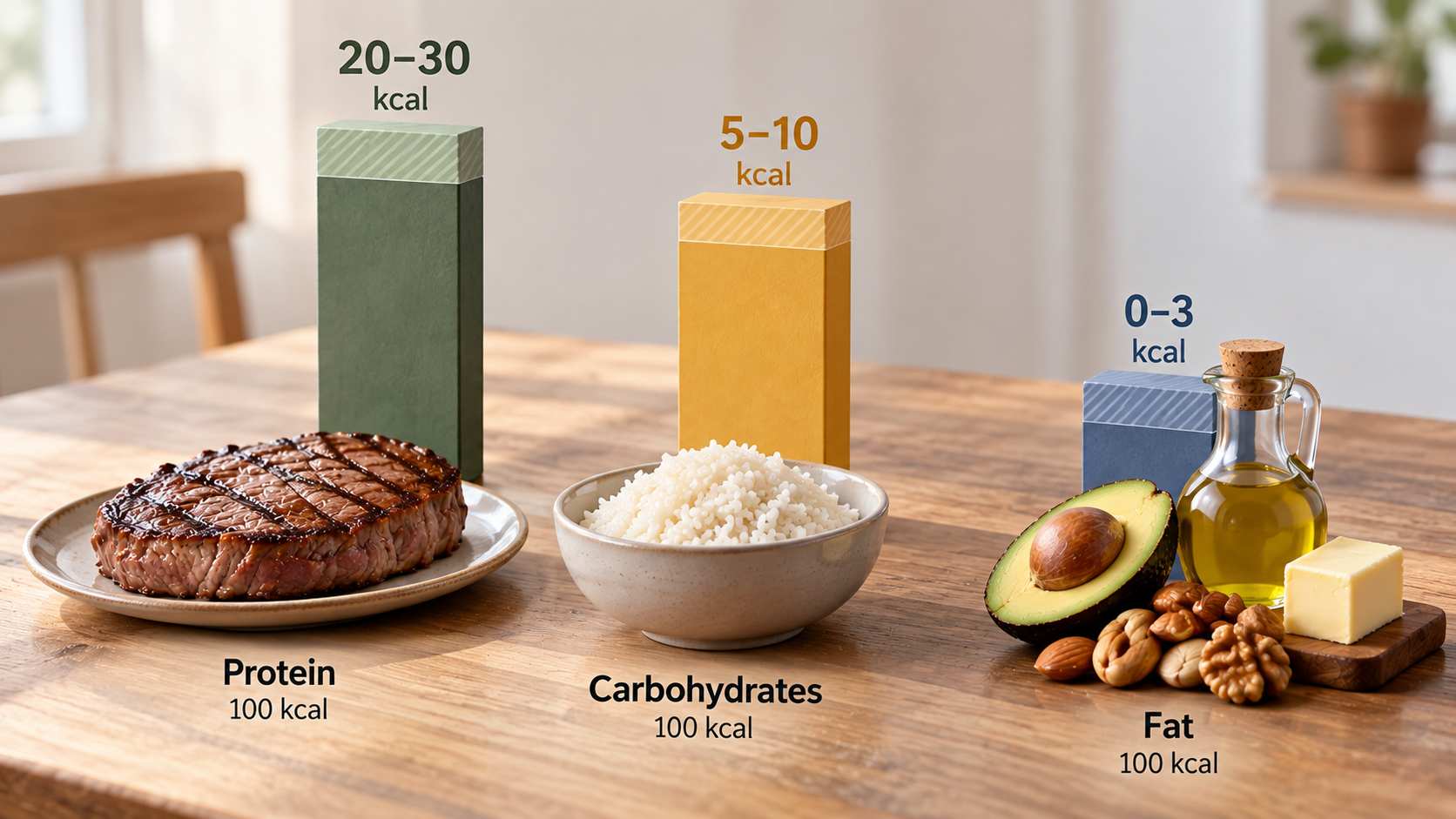
The body uses some of the energy it gets from food to digest it and process nutrients. The process is known as the thermic effect of food.
Protein has a significantly higher thermic effect than carbohydrates. According to a report by the US National Academies on energy requirements, approximate values vary depending on the composition of the food.
For a simpler comparison, here are the approximate figures:
| Nutrient | Calories per 100 g | Energy Used for Processing |
| Protein | 400 kcal | 20 to 30% |
| Carbohydrates | 400 kcal | 5 to 10% |
| Fat | 900 kcal | 0 to 3% |
In other words, if you eat 100 calories that come exclusively from protein, your body may use approximately 20 to 30 calories to process them. For 100 calories from carbohydrates, the expected expenditure is around five to ten calories.
The difference is not negligible, but it does not mean that you will automatically burn 60 calories after eating 200 calories from steak. Meat also contains fat, so the actual energy expenditure depends on its composition.
What Might Confuse You
Do 200 Calories From Steak and Sugar Have the Same Effect on Body Weight?
Both portions provide the same amount of energy. However, protein has a higher thermic effect and usually provides a longer feeling of fullness. Long-term changes in body weight depend on the overall energy balance.
Can Sugar Be Part of a Healthy Diet?
Yes, in moderation. The World Health Organization recommends that free sugars account for less than 10% of total daily energy intake. Reducing that amount to below 5% may provide additional health benefits.
Does Lean Steak Have Fewer Calories Than Fatty Steak?
Yes, when comparing portions of equal weight. One gram of fat provides approximately nine calories, while one gram of protein provides around four. Therefore, the choice of meat cut significantly affects the total energy value of a meal.
Conclusion
A calorie from steak is equal to a calorie from sugar when it comes to energy. The difference lies in how the body processes nutrients and how full certain foods make us feel.
So, the next time you look at a nutrition label, pay attention to the composition of the food as well. The number of calories is important information, but it does not tell you enough about the quality of a meal on its own.