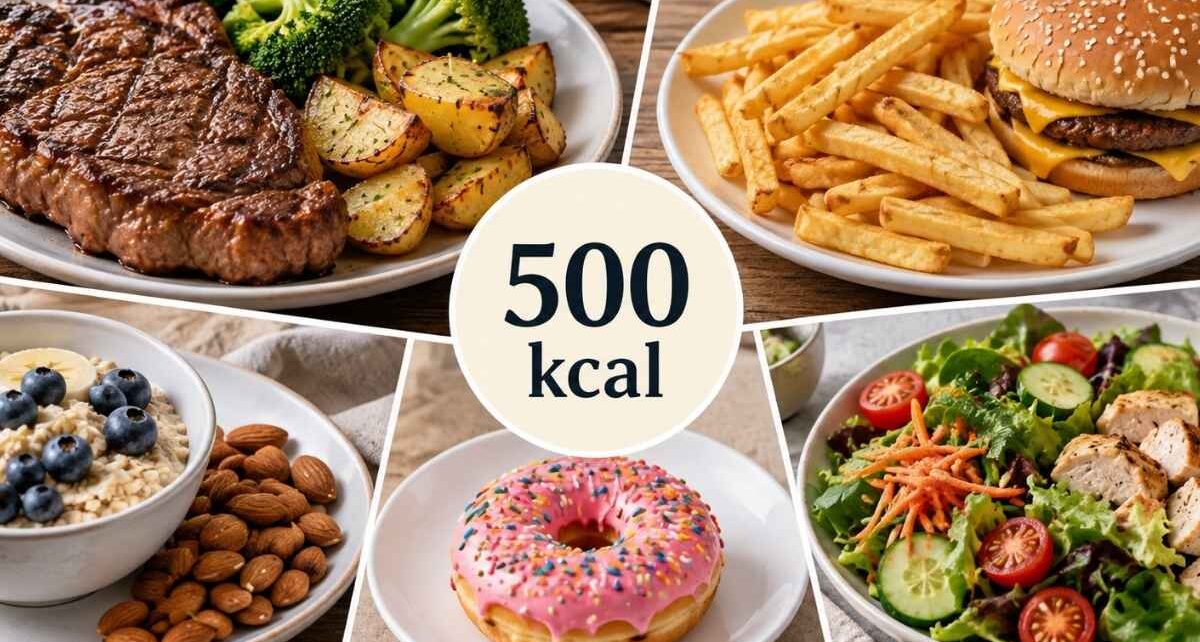
Imagine two dinner plates. One is full of vegetables and lean meat; the other contains a much smaller amount of calorie-dense food. Both could provide roughly 500 calories despite looking nothing alike.
The exact result depends on the ingredients and their weights, so consider the comparison an illustration rather than a recorded meal.
The main reason is energy density, or the number of calories you get from one gram of food. A few simple calculations show how large the difference can become.
The Biggest Difference Starts With Calories per Gram
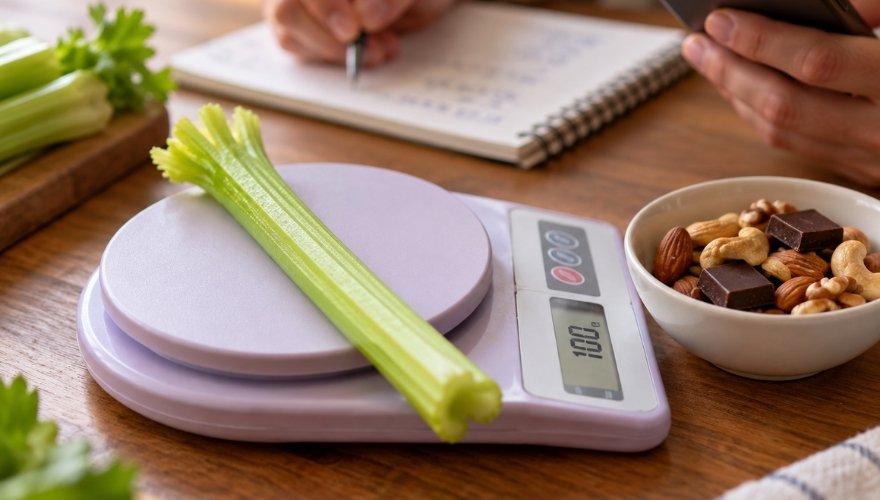
When I checked our dinner, I first did the same thing I used to do with product specifications: I reduced everything to 100 grams. That approach quickly shows where the difference comes from, because the same weight of two foods can contain completely different amounts of energy.
An extreme example is raw celery, which according to USDA FoodData Central has about 14 kcal per 100 grams. To get 500 kcal from celery alone, you would need about 3.57 kilograms, which is probably more than anyone wants to see on one plate.
Here is the calculation: 500 ÷ 14 × 100 = about 3,571 grams. It uses a reference nutrition value, not the measurement of an actual dinner.
Water Is the Real Answer for a Large Plate Without a Huge Number of Calories
Water explains much of the difference in volume. Vegetables and boiled potatoes can contain a lot of water, and water adds weight and volume without calories. Celery is again a good example because water makes up about 95% of its weight.
That means 300 grams can look like a serious amount of food while providing only about 42 kcal. You do not get the same effect with oil. It is almost entirely fat, so far fewer grams carry much more energy. One gram of fat provides about nine calories, while protein and carbohydrates provide about four calories per gram.
A 2014 study by Rachel Williams, Liane Roe and Barbara Rolls, published in Obesity, examined energy density and portion size in 46 women. The researchers found that both factors independently affected the energy consumed at a meal.
A Few Tablespoons of Oil Can Completely Change the Picture
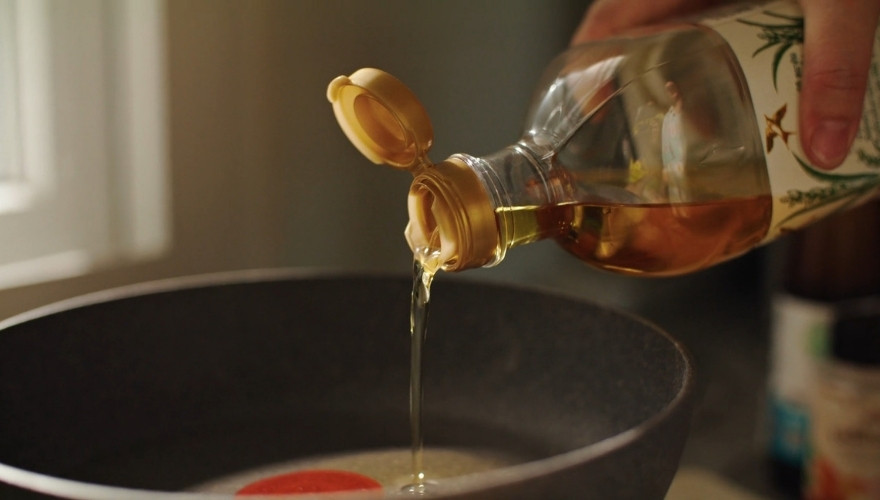
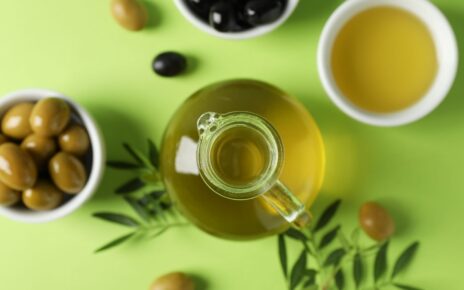
There is another reason why a small meal can surprise you once you add up the calories: ingredients that take up very little room on the plate. Oil is a useful example because the amount added to a pan is easy to underestimate. If a recipe calls for one tablespoon, a kitchen scale can reveal how much actually went in.
For comparison, at approximately 8.84 kcal per gram of olive oil, 20 grams works out to about 177 kcal and 30 grams to about 265 kcal. Those figures are illustrative calculations rather than recorded kitchen measurements.
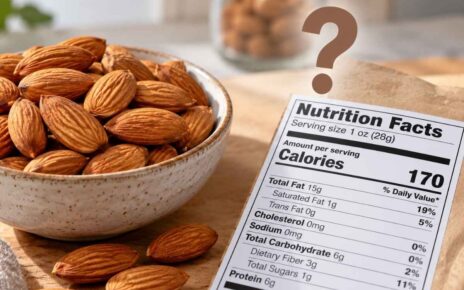
The same problem appears with nuts, peanut butter, cheese or richer dressings. All of those foods can easily be part of a normal meal, but visually they do not show how quickly they raise the calorie count. That is why internet photos that compare “500 Calories vs 500 Calories” can sometimes look so dramatic.
Where Are the Traps?
The most common mistake is always judging by appearance.
A few other things regularly cause problems:
- comparing raw and cooked food without checking values for the same form of the food
- ignoring oil and dressings used during preparation
- estimating nuts and similar foods “by eye”
- counting one serving when the package actually contains several portions
- comparing two meals only by plate size
Cooking can remove water or add it to food. Calories per 100 grams can therefore change even if the total energy in the original food remains about the same. Match the raw or cooked entry to the food you actually weighed.
Why a Larger Meal Can Leave a Different Feeling After Eating
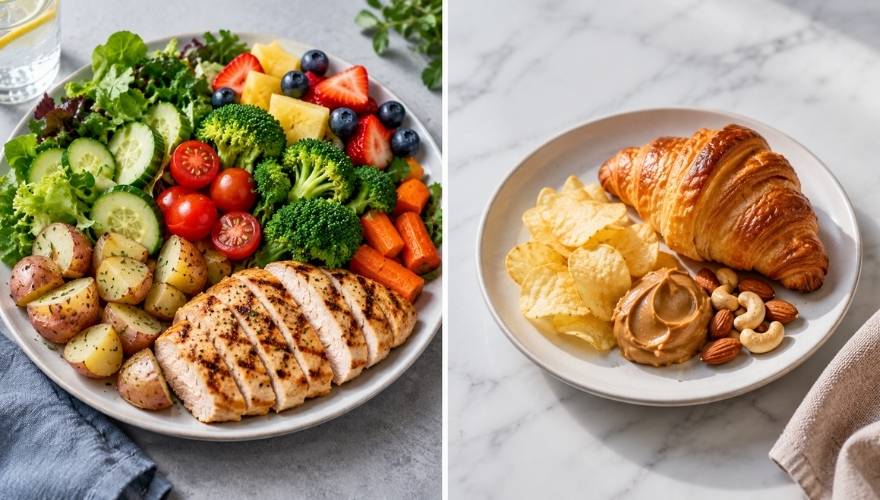
Two portions with 500 Calories each do not have to leave the same feeling of fullness. At that point, volume alone is no longer enough. Protein often provides a stronger feeling of fullness than the same amount of energy from some other sources, while fiber and food structure can also affect how quickly we eat and how long we stay full.
A 2020 systematic review and meta-analysis by Ali Kohanmoo and colleagues in Physiology & Behavior examined protein intake and appetite. Higher protein intake improved short-term measures of fullness in the studies reviewed, but long-term findings were less conclusive. That does not mean you can look at two plates and predict which one will keep someone full for longer.
People differ, and the rest of the meal also matters. For our topic, something simpler is enough.
Nuts and cheese make a useful counterexample: they are energy-dense, but that does not automatically make them poor at satisfying hunger.
A larger plate of food can have the same 500 Calories as a much smaller plate, and the composition of the food can then further change how that meal feels after you eat it.
View this post on Instagram
Conclusion
Two plates can contain similar amounts of energy despite having very different volumes.
The practical test is not how full the plate looks, but the weight and composition of the foods on it.
A scale and a few reference values tell you far more than appearances alone.