We often look at vegetables through calories. Broccoli has few calories, cucumber has even fewer, potatoes have more. It is easy to get the idea that vegetables with the fewest calories will automatically be the best choice for satiety. Hunger, however, follows slightly different rules.
Research on appetite and satiety points to several interacting factors. Water affects food volume, fiber changes the way a meal moves through the digestive system, starch provides energy, and protein can affect fullness. The physical structure of food also plays its part.
Because of all that, the question “which vegetables keep you full the longest” requires a slightly broader answer than a simple calorie table. Let’s look at what the data actually show.
How We Grouped the Vegetables
After reviewing the available research, we grouped the foods into three broad categories.
Vegetables and Related Foods With Greater Potential for Longer Satiety
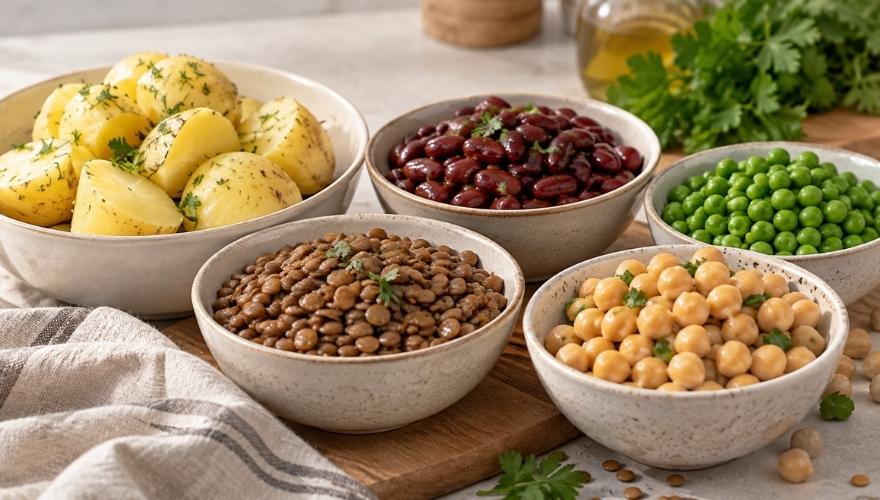
- boiled potatoes
- beans
- lentils
- chickpeas
- peas
With them, you get more energy per serving, starch, fiber and, in the case of legumes, a solid amount of protein.
Vegetables That Give You a Large Portion With Few Calories
- broccoli
- Brussels sprouts
- cabbage
- cauliflower
- carrots
Such a group works well as a side dish or part of lunch or dinner. The portion can be generous, while the calorie value remains relatively low.
Vegetables That Provide a Lot of Volume Through Water
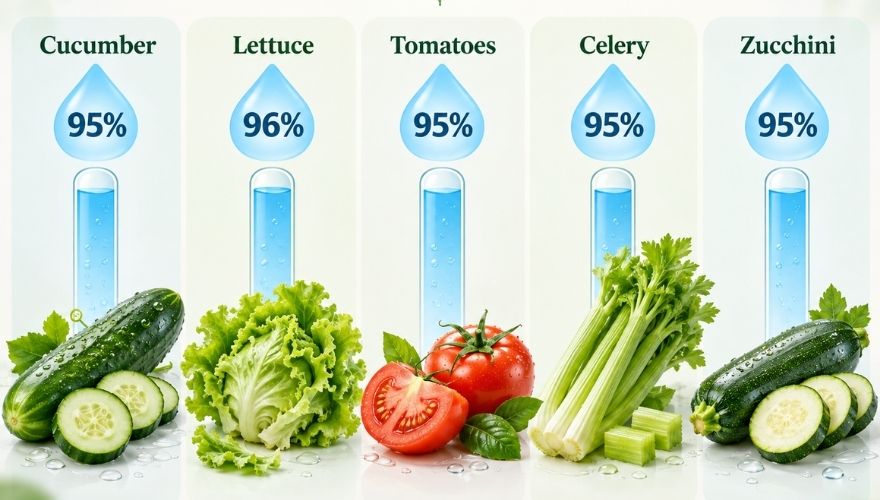
- cucumber
- lettuce
- tomatoes
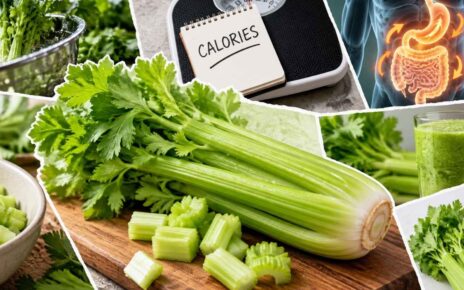
- celery
- zucchini
These foods quickly increase the amount of food on the plate. For a longer feeling of fullness, they combine well with protein or starch.
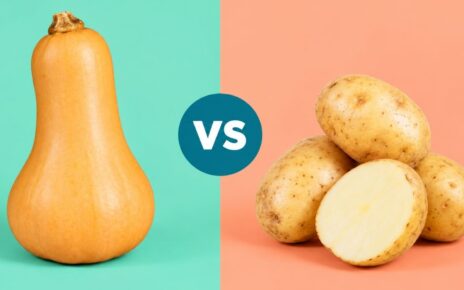
Boiled potatoes have very interesting satiety data
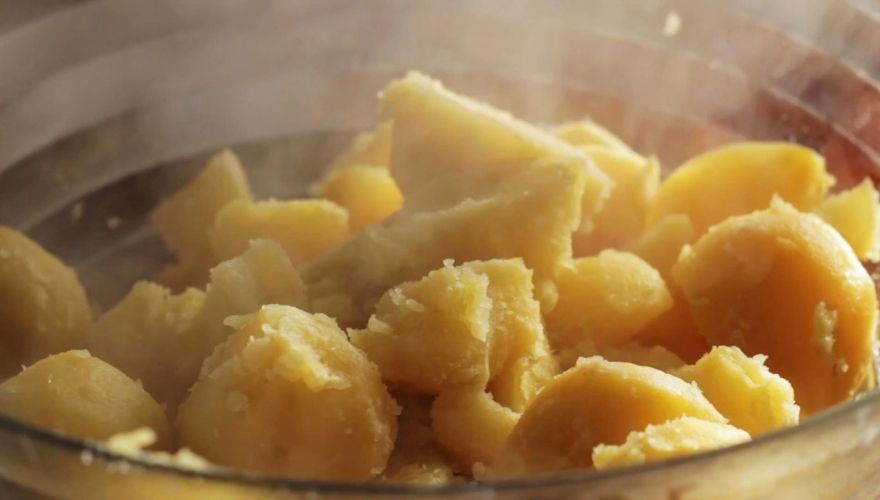
Boiled potatoes deserve a closer look because the published satiety data are unusually strong.
In a well-known study by Susanne Holt and colleagues, published in 1995, researchers tested 38 different foods. Each serving contained about 240 kcal, and participants rated how full they felt over the next two hours.
Boiled potatoes received a satiety index of 323. White bread served as the reference value with a score of 100. Potatoes therefore achieved the highest result among all foods included in the test.
The distinction matters because boiled potatoes are often grouped together with fries, chips, and heavily dressed potato dishes. Plain boiled potatoes have a very different composition. A large share of their weight comes from water, and starch provides energy. At 240 kcal, the portion supplies considerable physical volume.
Based on this study, boiled potatoes deserve a high place in a discussion of foods that may support satiety.
Beans, Lentils and Peas Combine Several Things at Once
Legumes have a different nutritional profile from most green vegetables. Beans, lentils, chickpeas, and peas provide fiber, starch, and protein in the same food. That combination gives them a special place when we talk about hunger between meals.
A meta-analysis of nine controlled studies examined meals with beans, peas, chickpeas, and lentils. In the pooled results, meals with legumes produced about a 31% greater feeling of fullness compared with control meals of the same energy value.
Another part of the results is worth mentioning. The greater feeling of fullness did not lead to a clear difference in the amount of food participants ate at the next meal. That shows the difference between the subjective feeling of fullness and total calorie intake during the day. A person can feel fuller and still eat a similar amount of food later.
Beans, lentils, and peas still have a very good basis for a high position. Along with volume, you get a substantial amount of fiber, plenty of starch, and more protein than in most vegetables.
Volume Is the Main Advantage of Broccoli, Cabbage and Brussels Sprouts
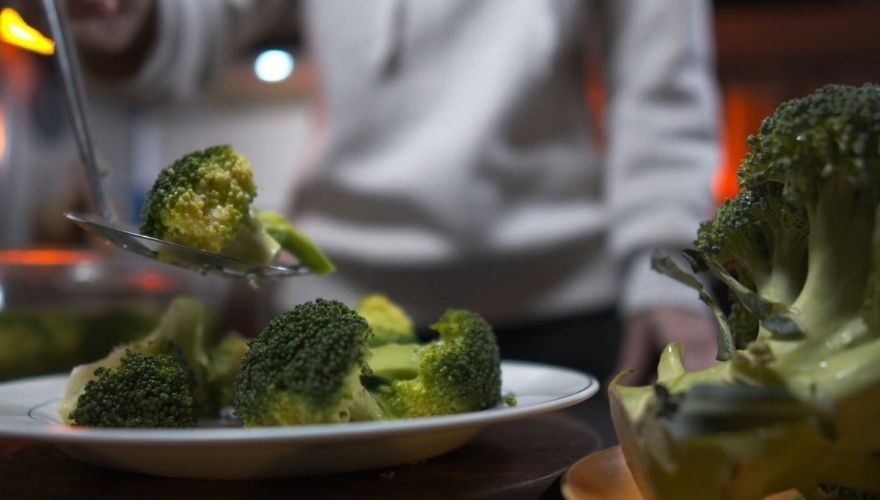
Broccoli and similar vegetables have a completely different advantage compared with potatoes.
A large serving can take up a good part of the plate with relatively few calories. In that amount, you get plenty of water and fiber. Brussels sprouts, cabbage, and cauliflower can play a similar role.
Such foods increase the total volume of the meal. The stomach responds to stretching, and that signal contributes to the feeling of fullness during a meal.
Fiber adds another layer.
Fiber deserves a more careful explanation than “more grams means more fullness.” A research review published by Michelle Clark and Joanne Slavin found that results depend on the type of fiber and the food itself.
The authors analyzed 107 fiber treatments. About 39% showed a significant reduction in subjective appetite, while about 22% showed a significant reduction in food or energy intake. (PubMed) The number of grams of fiber therefore represents only one part of the picture.
Why Do Salad and Cucumber Often Provide a Shorter Feeling of Fullness?
Cucumber, lettuce, tomatoes, celery, and zucchini contain a lot of water, so you can make a huge portion with relatively few calories.
However, such vegetables contain little starch and protein. The total amount of energy in a large portion also remains low. That is why hunger can return relatively quickly for some people.
Which Vegetables Keep You Full the Longest?
A universal answer is hard to give. The feeling of fullness depends on many things: sex and age, body weight, activity level, eating habits, portion size, the composition of the rest of the meal, as well as health status.
Any ranking deserves some caution because the results vary with the person and the rest of the meal.
If we really had to pick one vegetable and give it the title of the food with the greatest potential for satiety, boiled potatoes have the strongest arguments.